User Experience in Furniture Interaction: Balancing Comfort and Visual Appeal
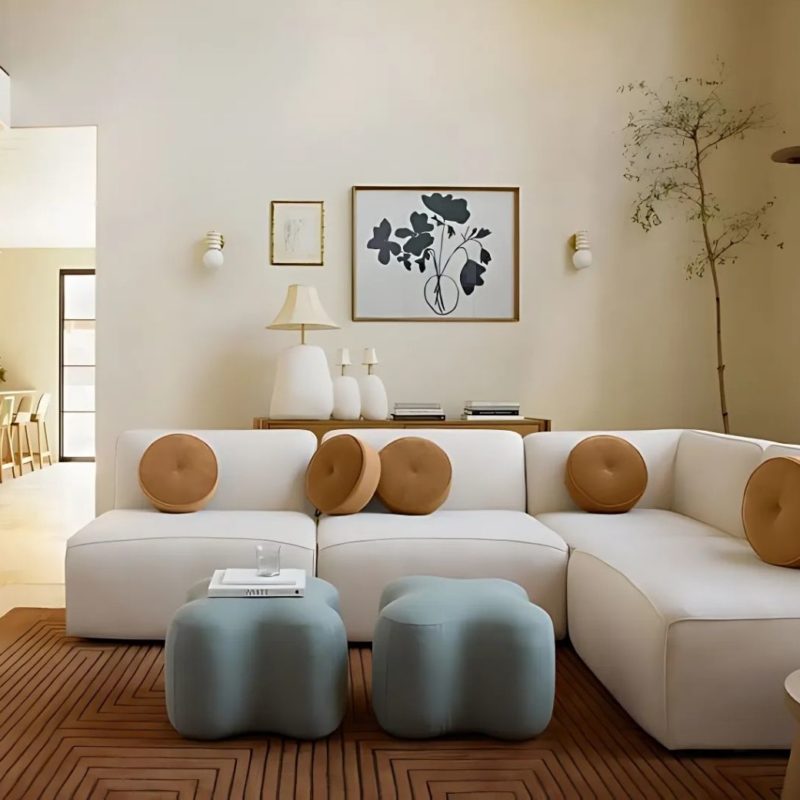
Professional insights on optimizing ergonomic comfort without sacrificing aesthetic quality in high-end furniture selection.
Luxury furniture represents the intersection of human comfort, ergonomic function, and visual sophistication. For new homeowners, the temptation to prioritize appearance over usability often results in pieces that, while visually striking, fail to provide long-term comfort or support healthy daily routines. High-end residential design requires a deliberate balance between aesthetics and ergonomics, ensuring that furniture enhances both the lived experience and the visual authority of interiors.
Ergonomic Evaluation and Design Metrics
Professional interior consultants assess furniture through precise ergonomic parameters. Key factors include seat height, backrest angle, armrest positioning, seat depth, and cushion density. For instance, lounge chairs with seat heights ranging from 420–450 mm and backrest angles between 100–110 degrees support prolonged sitting without causing muscular fatigue or circulation issues. Dining chairs paired with tables at 720–740 mm height maintain spinal alignment and encourage natural posture during meals.
Cushion materials and resilience are equally important. High-density foams combined with down or fiber toppers provide both immediate comfort and long-term structural stability. Soft seating that is too yielding can result in early sagging, while overly firm cushions may discourage relaxation, undermining both comfort and perceived luxury.
Visual Considerations and Spatial Impact
Luxury furniture is not only functional but also a visual anchor. Material selection, finish quality, line weight, proportion, and color palette contribute to both perceived and actual elegance. Solid wood frames with fine grain or high-quality metals with subtle patina convey authority and permanence. Upholstery texture, sheen, and tonal depth interact with lighting and surrounding elements to create a coherent visual narrative.
Proportion and spatial relationships are critical. Oversized seating can dominate a room and obstruct circulation, while undersized pieces fail to assert presence or maintain balance. Professionals recommend evaluating furniture in relation to room volume, ceiling height, and adjacent architectural elements to ensure that ergonomic comfort does not compromise spatial harmony.
Integration of Ergonomics and Aesthetics
Achieving high-end luxury requires integrating ergonomic assessment with visual inspection. In showrooms, homeowners should simulate typical use—sitting, reclining, leaning, or reaching—to evaluate comfort across different scenarios. Scaled 3D renderings or virtual walkthroughs further allow visualization of how furniture interacts with sightlines, natural light, and circulation paths.
By overlaying ergonomic metrics with spatial visualization, homeowners can select pieces that simultaneously support bodily comfort and interior authority. This dual approach minimizes the risk of post-purchase dissatisfaction and reinforces the functional hierarchy of living spaces.
Interaction Testing and Real-World Validation
Physical interaction remains indispensable. Sitting on sofas, reclining in lounge chairs, opening and closing drawers, and testing extendable tables provide tangible feedback on usability. Professionals also consider material response over time—how upholstery flexes, how cushions compress, and how surfaces interact with human activity. This practical assessment identifies potential discomfort or wear issues before commitment, safeguarding both comfort and investment value.
Long-Term Comfort and Lifestyle Alignment
Furniture ergonomics influence daily habits, energy levels, and overall well-being. In high-end homes, improperly scaled or poorly proportioned pieces can induce subtle stress, awkward posture, and inefficient use of space. Selecting furniture that aligns with the lifestyle of the occupants—considering work-from-home routines, entertainment habits, and social gatherings—ensures that luxury pieces perform consistently over decades.
Maintenance and Functional Longevity
Comfort-oriented furniture must also be durable. Frames, joints, cushions, and upholstery materials should support repeated use without rapid degradation. Periodic inspection, cushion rotation, and upholstery conditioning are essential for sustaining ergonomic performance and visual appeal. Integrating maintenance routines into ownership maximizes both longevity and user satisfaction.
Conclusion
Balancing ergonomic function with visual elegance is the hallmark of true luxury furniture. New homeowners who rigorously evaluate comfort metrics, material quality, proportion, and spatial impact create interiors that are both aesthetically commanding and physically supportive. Thoughtful testing, professional guidance, and long-term maintenance planning ensure that furniture continues to perform as functional anchors and visual focal points. By harmonizing human comfort with design authority, homeowners cultivate refined, enduring, and highly satisfying living environments where luxury is experienced, rather than merely observed.


Jane Doe
ReplyI found the practical guidance on balancing aesthetics with functionality particularly useful. It’s easy to get distracted by design trends, but this post clearly explains how thoughtful furniture choices can improve daily living and hold their value over time.
Jessica Brown
ReplyThis article does an excellent job of explaining what truly separates high-end furniture from mass-market options. The focus on materials, craftsmanship, and long-term durability adds real value, especially for readers who want to invest wisely rather than follow short-term trends.