Managing Budget vs. Luxury Expectations: Strategic Investment Tips

Expert advice for new homeowners on balancing budget constraints with high-end furniture expectations, maximizing value without compromising quality.
New homeowners frequently confront the challenge of achieving high-end interiors while working within finite budgets. Luxury furniture is often associated with prestige, visual impact, and exceptional comfort, but without strategic resource allocation, homeowners risk overspending, compromising both financial efficiency and interior coherence. Professional residential design emphasizes a structured approach to budgeting that balances aspiration with practicality, ensuring that high-end objectives are met sustainably.
Prioritize Anchor Pieces
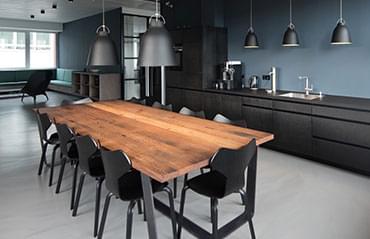
Anchor pieces form the backbone of any luxury interior. Sofas, dining tables, beds, and major storage units not only provide functional utility but also establish spatial hierarchy, circulation patterns, and visual authority. Professionals advise allocating the largest portion of the budget to these items because they set the tone for the rest of the home. High-quality materials, such as solid hardwood frames, reinforced joinery, premium upholstery, and durable finishes, ensure that anchor furniture maintains structural integrity and aesthetic presence over decades.
Investing in anchor pieces yields multiple benefits. Ergonomically designed sofas and chairs provide comfort that encourages prolonged use, while dining tables of appropriate scale support social interaction and proper posture. Beds with robust construction, optimal mattress height, and adequate clearance enhance sleep quality and circulation. Prioritizing these elements ensures that subsequent secondary or accessory purchases complement a coherent and functional framework, rather than compensating for poorly executed primary investments.
Allocate for Secondary Pieces
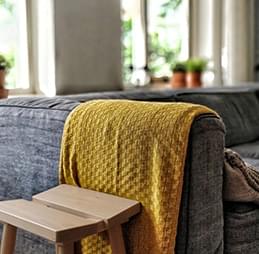
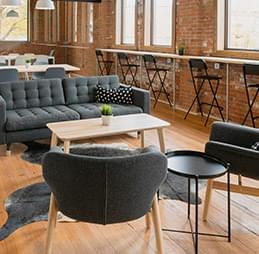
Secondary furniture, including side tables, accent chairs, cabinets, and console units, should be chosen to reinforce the design narrative established by anchor pieces. While essential for functionality, these items should not disproportionately inflate the budget. Professionals recommend selecting modular or multifunctional pieces that maximize utility without overwhelming spatial balance. For example, nesting tables or extendable consoles adapt to changing needs, providing flexibility in both layout and use.
Material and finish consistency between anchor and secondary pieces maintains visual harmony. Professionals advise matching line weights, proportion ratios, and material density to prevent visual fragmentation. Secondary furniture should enhance circulation, support ergonomic use, and fill functional gaps identified after anchor placement. This approach avoids impulsive purchases and reduces the likelihood of mismatched or redundant items that compromise both aesthetic cohesion and long-term value.
Phased Purchasing Strategy
Phased acquisition is critical to budgetary discipline and spatial intelligence. Professionals recommend a sequence where anchor pieces are purchased first, secondary functional furniture second, and accessories last. This methodology allows homeowners to live within the space, understand actual usage patterns, and make informed decisions regarding additional purchases.
Phasing also prevents common mistakes, such as overfurnishing early, buying pieces based on assumptions rather than lived experience, or succumbing to impulse-driven trends. By spacing expenditures over time, homeowners maintain financial flexibility, reduce the risk of costly errors, and ensure that each addition serves a clear functional and aesthetic purpose.
Value Assessment and Lifecycle ROI
Evaluating furniture investment requires a long-term perspective. Durability, maintenance feasibility, potential for reupholstery or refinishing, and residual resale value are central metrics. High-quality materials such as full-grain leather, premium wool blends, solid hardwoods, and reinforced metals reduce the frequency of replacement and preserve both aesthetic and functional integrity over decades.
Professionals emphasize that initial cost should be weighed against lifecycle ROI. A well-constructed sofa or dining table may cost more upfront but offers savings over time by avoiding recurrent purchases, maintenance complications, and early obsolescence. Reupholstery, refinishing, and minor repairs extend the lifespan of anchor pieces, enhancing both emotional satisfaction and financial prudence. Calculating projected costs over a 10- to 20-year horizon allows homeowners to make informed, strategic decisions rather than focusing solely on sticker price.
Case Example
A first-time homeowner allocated 60% of the furnishing budget to a solid oak dining set, premium upholstered sofa, and king-size bed. Secondary purchases included modular side tables, a console cabinet, and accent chairs, purchased over the following 12 months based on observed circulation patterns and functional needs. Accessories were added gradually to reinforce color palette and visual texture. Over five years, minimal maintenance and one reupholstery cycle preserved comfort and appearance, demonstrating that strategic budgeting and phased purchasing maximize both interior quality and financial efficiency.
Conclusion
Strategic budgeting is not a compromise—it is a methodology that enables new homeowners to reconcile high-end aspirations with finite resources. Prioritizing anchor pieces, phasing secondary and accessory acquisitions, and evaluating lifecycle ROI ensures interiors are functional, visually coherent, and financially sound. By adopting this structured approach, homeowners create spaces that are comfortable, aesthetically authoritative, and enduringly refined. True luxury emerges not from immediate expenditure or brand recognition alone, but from disciplined planning, informed investment, and sustained performance over time.


Jane Doe
ReplyI found the practical guidance on balancing aesthetics with functionality particularly useful. It’s easy to get distracted by design trends, but this post clearly explains how thoughtful furniture choices can improve daily living and hold their value over time.
Jessica Brown
ReplyThis article does an excellent job of explaining what truly separates high-end furniture from mass-market options. The focus on materials, craftsmanship, and long-term durability adds real value, especially for readers who want to invest wisely rather than follow short-term trends.