Why Showroom Furniture Looks Better Than Home Furniture—and How to Fix It
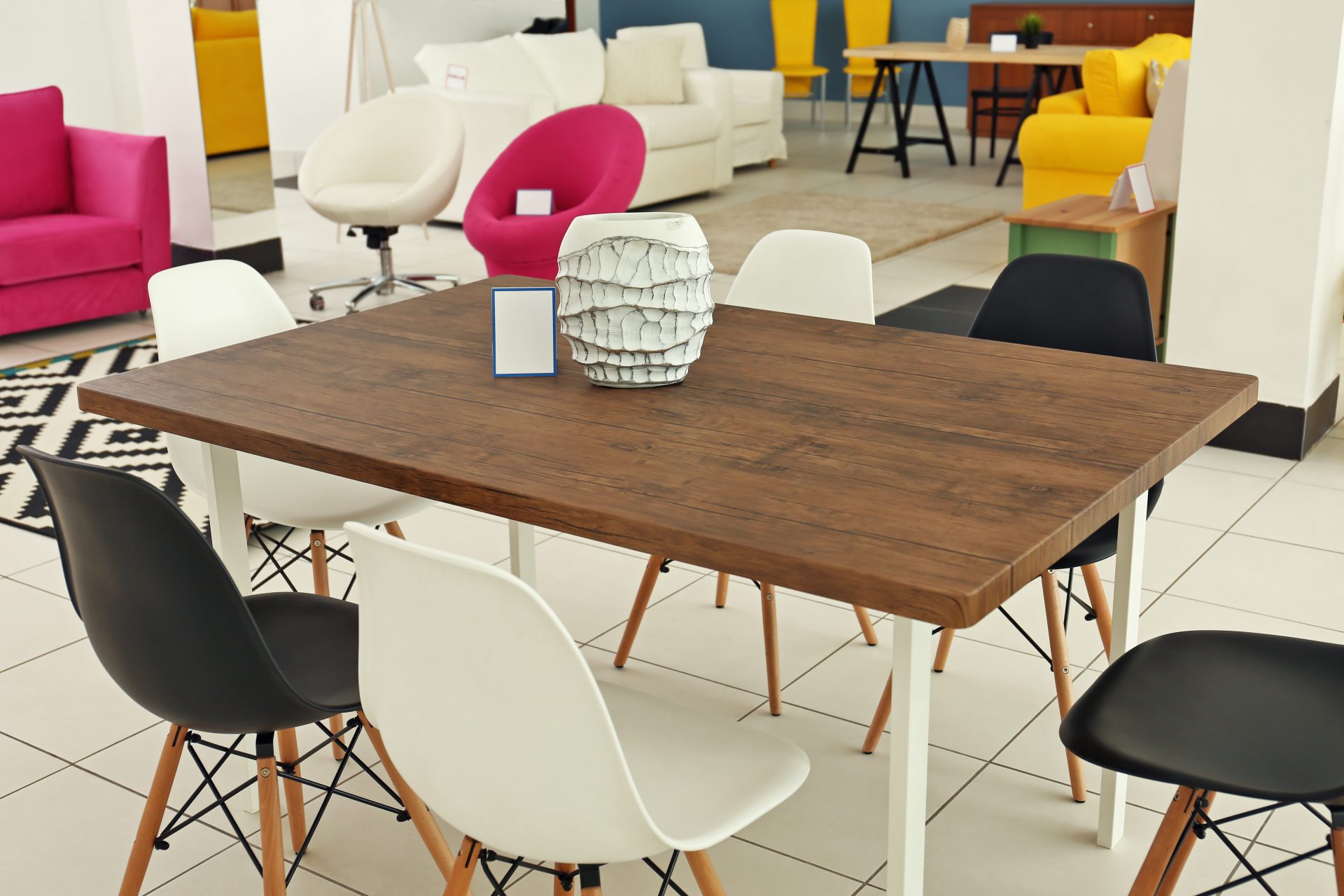
A professional breakdown of why furniture appears more refined in showrooms than in real homes, and how new homeowners can replicate spatial balance, lighting logic, and proportion at home.
Many new homeowners experience disappointment after purchasing high-end furniture: pieces that appeared commanding and visually compelling in showrooms can feel underwhelming, awkward, or visually lost once placed in their own homes. This discrepancy is not necessarily a reflection of furniture quality, but rather a misalignment between the controlled showroom environment and the realities of residential spaces. Understanding the mechanisms behind this perceptual gap enables homeowners to recreate the intended aesthetic and spatial impact without incurring the cost of replacement.
The Showroom Advantage: Controlled Context
Furniture showrooms are meticulously orchestrated environments designed to maximize visual impact. Elements such as ceiling height, wall spacing, flooring, and negative space are carefully calibrated to enhance perception of scale, proportion, and material quality. According to the 2024 Retail Interior Strategy Report, showrooms allocate up to 35% more negative space around major furniture pieces than typical residential settings, allowing each item to command attention and convey authority. This generous spacing accentuates silhouette, surface texture, and form clarity, creating an elevated perception of luxury that is partially environmental rather than intrinsic to the furniture itself.
In contrast, residential interiors often introduce visual noise—unplanned lighting, mixed décor elements, and crowded layouts—that can diminish the perceived value of furniture. Mismatched color palettes, overlapping sightlines, and functional compromises such as multipurpose rooms contribute to reduced visual authority and diminished spatial presence. Recognizing these contextual differences is essential for new homeowners who aim to preserve the intended impact of high-end pieces.
Lighting: The Invisible Enhancer
Lighting is a critical, yet frequently overlooked, factor in furniture perception. Showrooms employ layered lighting strategies that sculpt furniture volume and emphasize texture. Ambient illumination provides general clarity, directional lighting accentuates material richness, and accent lighting highlights key design details. This multi-source approach creates depth and dimensionality that strongly influence perceived luxury.
Residential spaces often rely on single overhead fixtures, producing flat lighting that suppresses texture, color saturation, and form definition. To compensate, professional designers recommend combining warm-neutral light sources (2700–3000K) with localized illumination such as floor lamps, wall washers, and under-cabinet lighting. According to the 2025 International Lighting Design Survey, homes that implemented layered residential lighting reported a 28% increase in perceived furniture quality and material richness, demonstrating that strategic lighting can restore showroom-like impact without major renovations.
Scale and Proportion Alignment
Furniture is typically displayed in showrooms within idealized spatial proportions that optimize sightlines and circulation. When the same pieces are introduced into smaller or differently proportioned rooms, the visual effect may be diminished or disproportionate. Clearance zones, ceiling heights, and surrounding architectural elements all influence the perception of scale. The 2024 Residential Spatial Dynamics Report indicates that 62% of homeowners misjudge furniture scale when transitioning from showroom display to home installation, often resulting in pieces that appear oversized, cramped, or visually inert.
Professional practice advocates using scaled floor plans and mock-up zones to evaluate furniture placement prior to purchase. Homeowners can achieve similar results by measuring circulation clearance, ensuring that seating arrangements allow at least 900 mm of passage space, and avoiding wall-to-wall placement that compresses visual rhythm. Attention to sightlines, focal points, and layering within functional zones restores balance and enables furniture to communicate intended presence.
Styling Versus Clutter
Showroom styling is deliberate, minimal, and curated to reinforce scale, proportion, and material harmony. Accessories are chosen to complement rather than compete, and surface treatments, rugs, and decorative objects are precisely aligned to reinforce design intent. At home, aggressive personalization—such as excessive décor, overlaid patterns, or incompatible accent colors—can dilute furniture authority, creating a fragmented or visually busy environment.
In one documented residential project, removal of non-essential accent pieces restored immediate visual impact to an existing sofa and lounge chair set. This intervention required no new purchases, illustrating that spatial clarity and stylistic discipline can dramatically enhance perceived luxury without additional expenditure. The 2025 Residential Aesthetic Impact Study found that homes with disciplined accessory curation reported a 19% increase in occupant satisfaction regarding furniture aesthetics and spatial cohesion.
Human-Centered Spatial Intelligence
The interaction between furniture, user movement, and functional zones is integral to perceived quality. Showrooms often permit free movement around furniture, unobstructed access, and optimal viewing angles, conditions not typically available in lived spaces. Introducing furniture into active residential environments necessitates careful consideration of pathways, multi-user dynamics, and functional integration. Ensuring sufficient clearance, unobstructed approach to seating, and alignment with natural lighting and sightlines reinforces both comfort and perceived luxury.
Conclusion
The perceived difference between showroom elegance and home placement arises primarily from context, lighting, scale, and styling discipline rather than inherent furniture quality. By strategically addressing these factors—implementing layered lighting, evaluating clearance and circulation, simplifying accessory arrangements, and respecting visual proportion—homeowners can unlock the full potential of their high-end furniture. True residential luxury emerges not from retail presentation alone, but from intentional spatial design, lighting orchestration, and disciplined styling within the home. Professional insight, combined with homeowner awareness of spatial, ergonomic, and perceptual principles, transforms existing furniture into visually commanding and experientially satisfying elements, demonstrating that luxury is an outcome of both design quality and environmental intelligence.




Jane Doe
ReplyI found the practical guidance on balancing aesthetics with functionality particularly useful. It’s easy to get distracted by design trends, but this post clearly explains how thoughtful furniture choices can improve daily living and hold their value over time.
Jessica Brown
ReplyThis article does an excellent job of explaining what truly separates high-end furniture from mass-market options. The focus on materials, craftsmanship, and long-term durability adds real value, especially for readers who want to invest wisely rather than follow short-term trends.